Wednesday, September 19, 2012

Today's picture(s) - Powerless

Last night around 10 the power went out. We assumed it was our whole area, since there had been very strong winds. But this morning we found out that Margaret and Matthew have power. We alone lost it because of this little poplar out back.

Here you can see where it cracked


And here is where the broken branch landed on the wires


The whole picture


The power folks will get to us when they can. There are whole areas out in the state, and a single home isn't the first place they will be attending to. In the meantime we have the gggenerator going so we have the fridge, freezer, computer, and tv. We're all set for a while.

Addendum: power up, power rangers! (about 6.30)

Tuesday, September 18, 2012

What's in a name? And a recipe for Apple Brown Betty

I have a wonderful little article clipped from an old Martha Stewart Living magazine. It describes

in words


and pictures


just what delineates the various kinds of fruit desserts. I'm going to quote freely from the piece.

A crumble, as you might guess, features irresistibly crumbly morsels that make the fruit (almost) seem like an afterthought.

A cobbler, possibly named for the way cooks cobbled it together from ingredients on hand, is as inviting and homey as it sounds; it is made with sweet-tart filling and either a moist batter or a billowing biscuit topping.

A grunt is similar but topped with unassuming dumplings and cooked on the stove. This dessert is true to its oddball name - its fruit bubbles noisily as it cooks, tempting anyone within earshot. (A grunt is also sometimes called a slump, a name that comes from its graceless habit of falling over itself when served in a gooey, yummy mess.)

A crisp is a baked concoction of sweetened fruit with a crumbly topping. Some debate whether the topping should include oats.

A brown Betty is a spiced fruit dessert with buttered breadcrumbs or cake-crumb topping that turns golden brown as it cooks.

A buckle is a hybrid dessert - like a cakey cobbler with a crumble topping.

A pandowdy, with its rustic piecrust topping, is mussed up intentionally, giving it a dowdy appearance that encourages one to dive in with abandon.

The article suggests that the cook experiment, and that when doing so
you might inadvertently redefine the dessert, turning a grunt into a crumble, or even add a whole new member to the genre. It makes no difference; let your mood and your supplies guide you.
I just love all these names. There are several I've never made, but I will begin to remedy that situation today. As I was writing this, I (coincidentally??) heard 'Along Came Betty' on a jazz radio station, so here it is (and more!) for your listening pleasure as you read along.


Since the article is from her magazine, I thought I'd make Martha's Apple Brown Betty.


Apple Brown Betty

4 to 5 slices white sandwich bread, torn into large pieces
4 tablespoons (1/2 stick) unsalted butter, melted
2 1/2 pounds Gala apples (about 6), peeled, cored, and cut into 1/2-inch-thick slices
2 tablespoons freshly squeezed lemon juice
1/3 cup packed light- or dark-brown sugar
1/2 teaspoon ground cinnamon
1/4 teaspoon ground nutmeg

Vanilla ice cream, for serving (optional)

Preheat oven to 375º F.

In a food processor, pulse bread until coarse crumbs form (you should have about 2 cups).
Spread breadcrumbs on a rimmed baking sheet; bake until golden, 8 to 10 minutes.
Let cool completely.
Transfer to a bowl, add butter, and toss until coated.
Meanwhile, place apples in a large bowl, and toss with lemon juice.
Stir in sugar, cinnamon, nutmeg, and half the breadcrumbs.
Transfer mixture to an 8-inch square (or other shallow 2-quart) baking dish.
Sprinkle with remaining breadcrumbs.
Cover dish tightly with aluminum foil.
Bake until fruit mixture is bubbling, about 40 minutes.
Then remove foil, and continue baking until breadcrumbs have browned and apples are easily pierced with a paring knife, 10 to 15 minutes more.

Let cool at least 15 minutes before serving.

Top, if desired, with vanilla ice cream sprinkled with cinnamon


My notes:

I used salted butter, and white sugar.

I used our homemade whole wheat bread, and cut off the crusts.

Whole wheat crumbs toast much faster than 8-10 minutes - check after 3 or 4.

I think next time I wouldn't even both to toast the crumbs. I'm sure they will crisp up just fine in the baking.

Even though it didn't say to grease the baking dish, I coated it with cooking spray.

I used the apples I had on hand, Galas and McIntoshes. And they must have been a lot smaller than the ones in the original recipe. I used many more than six, and weighed them on the kitchen scale. I barely used two pounds, and there were plenty of apples.

I tried using a 7 x 11 pan, but it was too full so I switched to a 9 x 13.

And, I forgot to mix the butter in with the crumbs so I just poured it over the top.

I topped with whipped cream.


This is a really good apple dessert. It's just a little different from all the others I've made over the years. The crumbs add a crunchiness that I loved. Wonderful. I'll make this again and again.

Sunday, September 16, 2012

Today's poem by May Sarton


The Work of Happiness

I thought of happiness how it is woven
Out of the silence in the empty house each day,
And how it is not sudden and it is not given
But is creation itself like the growth of a tree.
No one has seen it happen, but inside the bark
Another circle is growing in the expanding ring.
No one has heard the root go deeper in the dark,
But the tree is lifted by this inward work,
And its plumes shine, and its leaves are glittering.

So happiness is woven out of the peace of hours,
And strikes its roots deep in the house alone.
The old chest in the corner, cool waxed floors,
White curtains softly and continually blown
As the free air moves quietly about the room,
A shelf of books, a table, and the whitewashed wall -
These are the dear familiar gods of home,
And here the work of faith can best be done.
The growing tree is green and musical

For what is happiness but growth in peace,
The timeless sense of time when furniture
Has stood a life's span in a single place;
And as the air moves, so the old dreams stir
The shining leaves of present happiness.
No one has heard thought or listened to a mind,
But where people have lived in inwardness
The air is charged with blessing and does bless;
Windows look out on mountains and the walls are kind.

May Sarton (1912-1995)
from As Does New Hampshire, 1967

Thursday, September 13, 2012

The-Best-Ever Apple Crisp

Today's recipe is from Mrs. Chard's Almanac Cookbook
Hollyhocks & Radishes by Bonnie Stewart Mickelson


This unusual and delightful cookbook has made quite a few appearances here in my letters:

Onion rings, garlic roasted potatoes, corn-apple hotcakes, and blink-of-an-eye rhubarb pie.

Today's recipe is called

The-Best-Ever Apple Crisp

The note on the page says,
It seems like a pretty grand statement to call this the best ever, but after tasting lots of them, it's true!

4 cups thickly sliced apples (pared or unpared)
2 Tablespoons lemon juice
1/4 cup water
Cinnamon
Nutmeg

Preheat oven to 350º F.

Spread apples in a buttered, shallow 1 1/2 quart baking dish.
Combine lemon juice and water, and pour over apples.
Spinkle generously with cinnamon and lightly with nutmeg.


3/4 cup flour
1/2 cup brown sugar
1/2 cup white sugar
1/4 cup butter

Work together above ingredients with fingers or pastry blender until crumbly.
Spread over apples.


Bake 50-60 minutes, or until apples are tender and topping is crisply browned.


Serve warm with cream or ice cream.


My notes:
I didn't peel the apples.
1 1/2 quart pan is equal to an 8 x 8.
I used all white sugar.
I topped with whipped cream.

Now the big question. Would I call this 'the best ever?' It is certainly delicious, but I don't think I could ever rate such a perfect, perfect end-of-summer-into-fall dessert. I've posted a few recipes here on the blog, and each of them is great. I say, make them all!

Apple Crisp
Cranberry Apple Crisp
Apple Brown Betty (sometimes known as Apple Crisp)
Apple Buckle (which could be called Apple Crisp)

There are many other apple desserts if you look under Recipes (under the banner photo), then Fruit Desserts. Apples are the stars this time of year.

Wednesday, September 12, 2012

Today's picture/We love tomatoes!


Not very clear since I took it through the screen, and used the zoom, but there are a mother and her baby eating tomatoes. They've been coming around for a few days, usually with the other two fawns. Makes us happy we didn't clean up the garden yet.

Tuesday, September 11, 2012

Problem at Pollensa Bay by Agatha Christie


49. Problem at Pollensa Bay
by Agatha Christie
mystery, 1991
library book twelve
Nook book 18
finished 9/11/12


This is a perfect book for someone who hasn't read Agatha Christie, and only knows of her as the creator of Miss Marple and Hercule Poirot. It contains eight short stories which show the range of this great writer. There isn't a Jane Marple story, but Hercule Poirot makes two appearances. We also meet those fellows I've only recently become acquainted with: Mr. Satterthwaite, and Parker Pyne; and the mysterious Harley Quin. There are a couple without any specific detective. Some stories are dark, while others are light. I didn't even know it existed until I saw it available as a downloadable book for my Nook from the state library. I had read a couple of these stories before but most of them were brand new to me.

One of the stories quite surprised me because it had a supernatural feeling to it. This was The Harlequin Tea Set. I had to look up the word 'harlequin.' The only usage I knew it from was the Peter Wimsey mystery Murder Must Advertise by Dorothy L. Sayers.
a mute character in traditional pantomime, typically masked and dressed in a diamond-patterned costume
But in the case of this Agatha Christie story it means
in varied colors
A bit like my Fiestaware dishes, perhaps.


A sharp eye will see that one of Agatha's characters is Mr. Harley Quin, and he is indeed a mysterious character, not mute but nearly so sometimes. His presence alone seems to move a case along. According to the Agatha Christie site:
Harley Quin is a mystery. He appears and disappears unexpectedly and by strange tricks of light and reflections; making his clothes seem brightly multicoloured like the theatrical Harlequin.
The stories in Problem at Pollensa Bay are, in addition to the title one, The Second Gong, Yellow Iris, The Harlequin Tea Set, The Regatta Mystery, The Love Detectives, Next to a Dog, and Magnolia Blossom. Each one has a different feel to it. And because some of you may wonder, the dog does die in the dog story, but he is old, and his death allows a woman to live a better life. This one and Magnolia Blossom were the least appealing to me, but they are still worth reading. A most enjoyable collection.

If you don't know about the Agatha Christie Reading Challenge, please visit Kerrie here. It is a fun way to connect with other fans, and see monthly blog postings about Agatha's books and stories.

Monday, September 10, 2012

Today's poem by Mary Oliver, on the occasion of her birthday

Since hearing of Mary Oliver's health troubles, I have found it very difficult to find updates. But today, on her 77th birthday I was so happy to see this:


Recipient of the Pulitzer Prize, the National Book Award, and a Guggenheim Fellowship, Mary Oliver is one of America’s most esteemed and beloved poets. Her poems, with their deep connection to nature, are renowned for their evocative and precise imagery, transforming the everyday world into a place of magic and discovery. Throughout her celebrated career, she has published more than 20 books of poetry, including American Primitive and New and Selected Poems, Volume One, and taught at many colleges and universities around the country, inspiring generations of younger writers.

Join us for an evening with one of America’s foremost poets as she reads and discusses her work including her latest book of poems, A Thousand Mornings, releasing October 11, 2012.

Book signing follows.

THE RUTH AND CARL J. SHAPIRO CELEBRITY LECTURES
Mary Oliver Reads Mary Oliver [SOLD OUT]
Thursday, October 25, 2012
6:30 pm - 7:30 pm
Remis Auditorium, 161
© 2012 Museum of Fine Arts, Boston


And now for a poem to celebrate!

Just Around the House, Early in the Morning

Though I have been scorned for it,
let me never be afraid to use the word beautiful.
For within is the shining leaf
and the blossoms of the geranium at the window.
And the eyes of the happy puppy as he wakes.
The colors of the old and beloved afghan lying
by itself, on the couch, in the morning sun.
The hummingbird's nest perched now in a
corner of the bookshelf, in front of so many
books of so many colors.
The two poached eggs. The buttered toast.
The ream of brand-new paper just opened,
white as a block of snow.
The typewriter humming, ready to go.

Mary Oliver
from Swan, 2010

Saturday, September 8, 2012

Today's poem by May Sarton


A Late Mowing

Neighbors have come to mow my ragged field,
And three old horses bring the autumn home.
Now the blond waving grasses must come down,
And all the tasseled splendor has to yield.

Goodbye to summer's feast and variations:
Two months ago there burst into great praises,
White as enamel, in rich constellations,
A sky of stars flung down to earth as daisies.

When they went out, the fireflies were showing;
The green field pulsed with intermittent fire,
And the cats crept a jungle of desire
After these softest stars within the mowing.

Goodbye to ringing of the sumptuous changes -
To black-eyed Susan, paintbrushes and plantain,
Clear buttercups and cloudy asters, mullein.
Goodbye and praise to the high-summer ranges.

Now all those stars are altered in their courses,
And the rich field cut back to rock and root;
My neighbors with their three autumnal horses
Cut down the ghosts of summer with the fruit.

Winter, be gentle to this earth you keep,
To buried root, and all that creeps and flies,
While overhead your dazzling daisy skies
Flower in the cold, bright mowing that will keep.

May Sarton
from As Does New Hampshire, 1967

Thursday, September 6, 2012

Book notes on two 'foodie' cozies


47. Espresso Shot - book 7 in the Coffeehouse Mysteries series
by Cleo Coyle
mystery, 2008
twelfth book for the Foodies Read 2 Challenge 2012
Nook book 16
finished 8/30/12


In this book, Clare Cosi's ex-husband, the charming bad boy Matteo, is about to get married to a glamorous woman, Breanne Summour. When a young woman who looks very much like her is shot, the possibility looms that Breanne may have been the target.

I have included all these Coffeehouse Mysteries as entries in the 2011 and 2012 Foodies Challenges, because there is always so much coffee info. In this one, the reader learns recipes for espressos. A 'mochaccino' is
two steaming shots of espresso stirred into a base of my [Clare] homemade chocolate syrup, a pour of steamed milk, plenty of frothy foam, and a whipped cream cloud as high as Denali. … dusted with bittersweet shavings.
Just as in each of the other books in this series, I learned something new. This time it was about espressos, but also underground restaurants. Maybe those of you who are cosmopolitan city-dwellers know all about this phenomenon, but it was all new to me. They are 'quite clandestine' and 'quite illegal.' First of all, you must be invited. Clare and a food writer travel to the 'Friends Meeting House on Northern Boulevard' in Flushing. Someone approaches them and takes them to the 'secret location.' Clare asks,
"if these restaurants are underground, how do you even find out about them?"
"Oh, there are lots of ways. Foodie networking mostly; chefs and friends of chefs; amateur reviewers; and of course, the local blogs. If you throw a little money around, waitstaffs will usually clue you in on their neighborhoods' culinary secrets."
Clare is told that in the case of the one they are going to
"A hot young chef named Moon Pac wants to open a restaurant and needs financial backers. If he dazzles the right people, he might get his sugar daddy, so he's been throwing this dinner once a week for the last two months. I was invited by e-mail. Other influential New York foodies and restauranteurs received the same invitation."
Fascinating. These sorts of details about the different aspects and areas of New York City keep each book fresh and interesting to the reader. Of course, there is always a murder or two. There are always Clare's personal relationships with family and friends. And each book has food and coffee info. Espresso Shot offers a particularly gross bit about a coffee called Kopi Luwak. Want to hear it? Sure you do. Well...
"kopi is the Indonesian word for "coffee," and luwak referred to the small catlike animal from which the coffee beans were collected. … The luwak is a feral, forest animal. It eats coffee cherries and voids them whole. The Indonesian farmers collect them, process them, and sell them as the most expensive coffee on earth: Kopi Luwak."
Ever tried it??


48. Murder Most Maine - Book 3 in the Gray Whale Inn mysteries
by Karen MacInerney
mystery, 2008
thirteenth book for the Foodies Read 2 Challenge 2012
library book eleven
Nook book 17
finished 9/6/12

For an innkeeper who loves to bake delicious breakfast foods, can you imagine anything worse than hosting a group of dieters?! That's what happens in this third installment of the Gray Whale Inn mysteries, set on Cranberry Island in Maine. It is now the second May Natalie Barnes has lived in Maine, where she runs the Gray Whale Inn. She left her home in Texas and settled here in a much different climate. It is fun for this New Englander to read of the differences in Nat's new locale and her old one. She still can't get used to the cold. She marvels that in May 'flower buds were just starting to appear on the hillsides of Cranberry Island' while in Austin, 'the bluebonnets had carpeted the hillsides two months ago.' I'll tell you that is a marvel for me to read. We still have snow in March!

The Inn is hosting the 'Lose-It-All Weight Loss' retreat. For the first time, Natalie will be offering three meals a day. She will still bake some goodies for the store which her friend Charlene runs, but for the time the dieters are there, everything she cooks is low-calorie and no-butter. I've mentioned that the first two books had great recipes, and this one continues giving recipes for foods mentioned in the book, only this time they are predominanly main meals.

The upsetting thing about this group is that the leader is a former summer visitor to the island, and Natalie's boyfriend John was in love with her for one of those summers; and not just John but apparently many other young men. When Natalie sees them together, and also notes that John is spending a lot of time with Vanessa, she feels nervous about their relationship. Vanessa runs the group with a man who acts as a personal trainer for the participants, but he also dishes out pills, which are supposedly herbal supplements. Soon this man is dead, a victim of his own 'herbs.' And so the reader is off on another adventure with Natalie, an intelligent, spunky, kind, and likeable character.

I am so fond of this series, and I hope it goes on and on. The ending to this one is particularly satisfying to the reader.

I read both of these books for the Foodies Read 2 Challenge 2012.

Wednesday, September 5, 2012

Today's poem by Sara Teasdale


September Midnight

Lyric night of the lingering Indian Summer,
Shadowy fields that are scentless but full of singing,
Never a bird, but the passionless chant of insects,
Ceaseless, insistent.

The grasshopper’s horn, and far-off, high in the maples,
The wheel of a locust leisurely grinding the silence
Under a moon waning and worn, broken,
Tired with summer.

Let me remember you, voices of little insects,
Weeds in the moonlight, fields that are tangled with asters,
Let me remember, soon will the winter be on us,
Snow-hushed and heavy.

Over my soul murmur your mute benediction,
While I gaze, O fields that rest after harvest,
As those who part look long in the eyes they lean to,
Lest they forget them.

Sara Teasdale (1884-1933)
published 1914

Tuesday, September 4, 2012

The Leavenworth Case by Anna Katharine Green


45. The Leavenworth Case - book 1 in the Ebenezer Gryce series
by Anna Katharine Green
mystery, 1878
Kindle book 17
finished 8/23/12


Though this book wasn't that long, it seemed to take me ages to read it. I found it verbose. It featured long monologues, either written in a letter or spoken, which explained events and details. I was surprised at how dry the book felt after so enjoying That Affair Next Door. This book didn't feature the interesting Amelia Butterworth, but it was the first case for Green's detective Ebenezer Gryce. He is intelligent and clever but has an odd quirk of never looking directly at anyone. He addresses his statements to nearby desks or vases. We saw the case through the eyes of a junior partner in a law firm who becomes involved because a family's lawyer was unavailable. He is completely obsessed with a woman who may or may not be the killer.

I found most of the characters tiresome and unreal. This was Green's first book so I cut her some slack, especially in light of the other book I read. I decided to read the second Amelia book, hoping to recapture my delight in this author's work. You may have read the first part in a Book Beginnings on Friday post. It was intriguing and I looked forward to the adventure, but it quickly became like a gothic romance with ghosts, and crippled children who sit and watch out their windows. There is an everpresent feeling of foreboding. I read a few chapters and decided it wasn't for me, and sadly that Anna Katharine Green is just not my cup of tea. You may read The Leavenworth Case online here. I got it for free on the Kindle.

Sunday, September 2, 2012

A Day Out at the Fair

Mrs Bale hasn't been around much this summer because she is a modest sort of person who never likes to appear as if bragging. The summer weather has been perfect. Really. Out of a children's storybook kind of perfect. Not too hot, not too rainy, not too sunny, windows open all the time, fans blowing.

Addendum: Two days after I wrote this, I heard on our state public radio station that someone in the tourism department said that it has been a 'Goldilocks summer. Not too hot, not too cold, not too rainy, not too dry. It's been just right for any activity.'

If I could write a poem, I would. While so much of the world has been suffering through drought and its opposite, we've had nothing to complain about. So, Mrs B hasn't wanted to say much. She has just soaked it all in and smiled with pleasure.

And yesterday was no exception. We had a little rain during the night, and by morning the sun was out, and the temps in the seventies all day. A perfect day to go to the Fair!


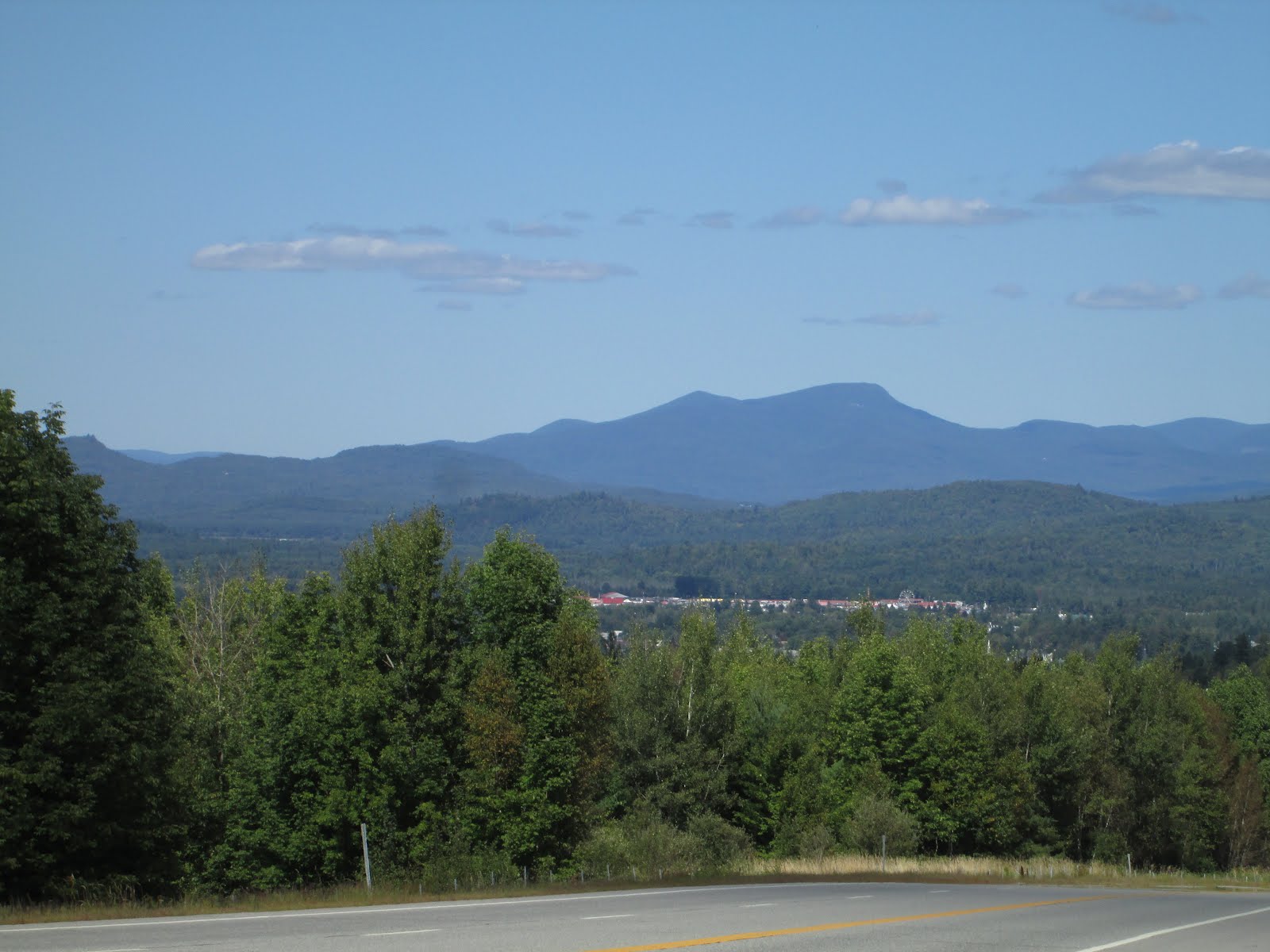
The view of the fairgrounds from the top of the hill heading into town


We park across the road


Tom buys the admission tickets


And we are on our way!
The buildings are permanent, empty for all but a few days a year. But, oh how they shine in those few days.


The first stop is always here


to get milk, and a homemade doughnut (in that little basket) to have with these, my particular star of the Fair!


As we ate we listened to a local ceilidh band


In one of the halls I saw pictures of older days

Look at those dresses and suits. Not many of them in sight yesterday!

We wandered through the midway, and spent most of our time in the halls and with the animals. A few years ago, a new permanent exhibit hall was created. It features items from the past. It is wonderful to see the way life used to be lived.

Butter churn


A real cast-iron sink, and working water pump.


Washing the clothes


Wringing them dry


It was a Maytag from the 1930s


There's a whole barn devoted to old tractors


We so love the animal barns; separate ones for cows, horses, sheep and goats, pigs, chickens, ducks, and rabbits.


When the kids were younger I kind of dreamed that we might exhibit some of our animals or chickens, but we never did. It is quite a commitment. Many of the young people stay right there at the Fair for the whole time. They have to keep their animals/birds fed, and their bedding cleaned, and keep them groomed for the judges.


We spent about five hours at the Fair. We ran into some good friends, and their 37-year-old son with two of his three daughters. We used to go to the Fair together when all our kids were little, and now here he is with the next generation. The fairgrounds were filled with young parents and their little ones making memories. A young woman texted me saying she was homesick and wished she could come to the Fair. It gets into our hearts and stays forever. I wrote about this a few years ago when I quoted Auden's poem; the way the Fair is a constant in our lives.

For more years at the Fair, you may click the 'Fair' letter topic.